



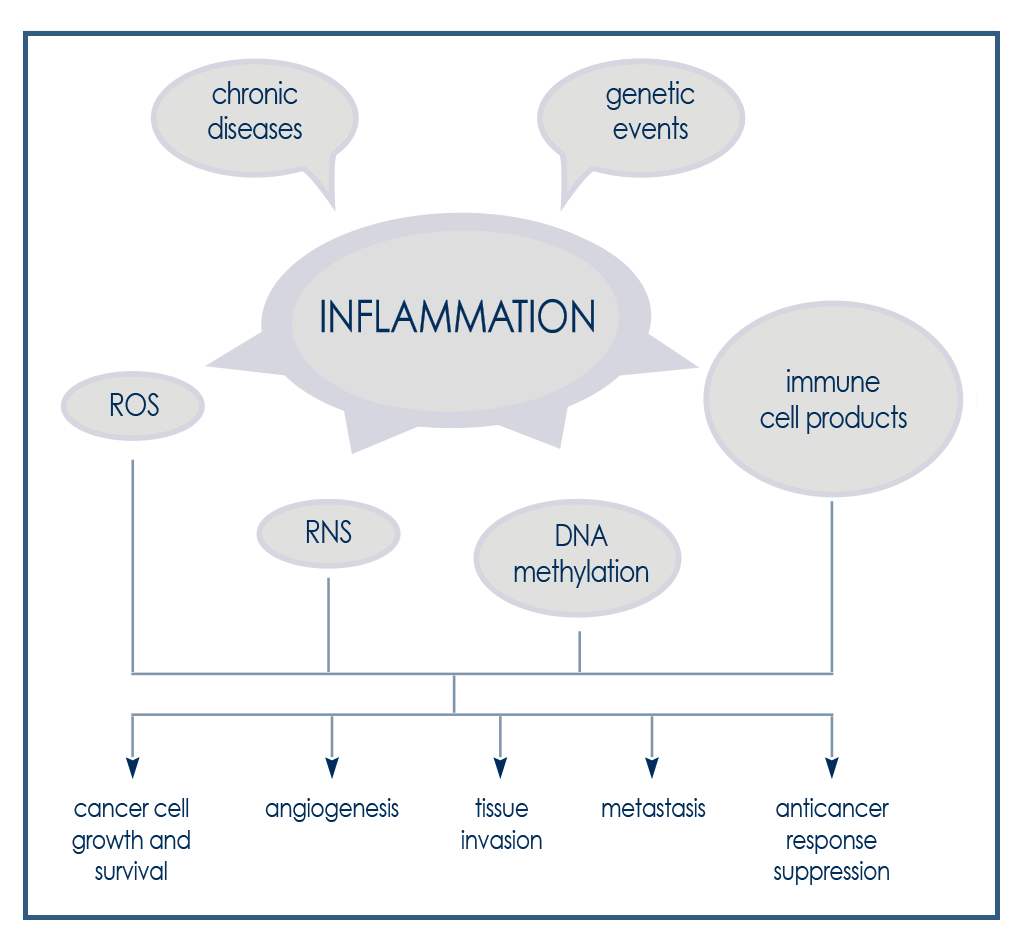
The link between inflammation and tumors depends on two different phenomena. On the one hand, genes involved in the development of cancer can stimulate inflammatory processes. On the other hand, inflammation increases the risk of cancer by suppressing antitumor immune responses and creating conditions that favor the accumulation of mutations, the growth and survival of tumor cells, the formation of blood vessels that nourish the tumor, the ability of tumor mass to invade surrounding tissues and to stimulate metastases.
The analysis of the inflammation levels enables the identification of situations of increased risk and the implementation of strategies to counter the increase in pro-inflammatory molecules.
The association between inflammation and cancers
The link between inflammation and tumors depends on two different phenomena. On the one hand, genes involved in the development of cancer can stimulate inflammatory processes. On the other hand, inflammation increases the risk of cancer by suppressing antitumor immune responses and creating conditions that favor the accumulation of mutations, the growth and survival of tumor cells, the formation of blood vessels that nourish the tumor, the ability of tumor mass to invade surrounding tissues and to stimulate metastases.
The mechanisms involved depend on the formation of reactive oxygen (ROS) and nitrogen (RNS) species which:
- alter DNA, proteins, and lipids;
- they also damage stem cells, favoring the development of particularly aggressive forms of cancer;
- cause a particular modification of the genome, demethylation, thus promoting another phenomenon associated with the development of cancer: genomic instability.
Furthermore, inflammation can reduce the expression of tumor suppressor genes and other molecules (microRNAs) that can block the development of tumors.
The markers of inflammation in tumors
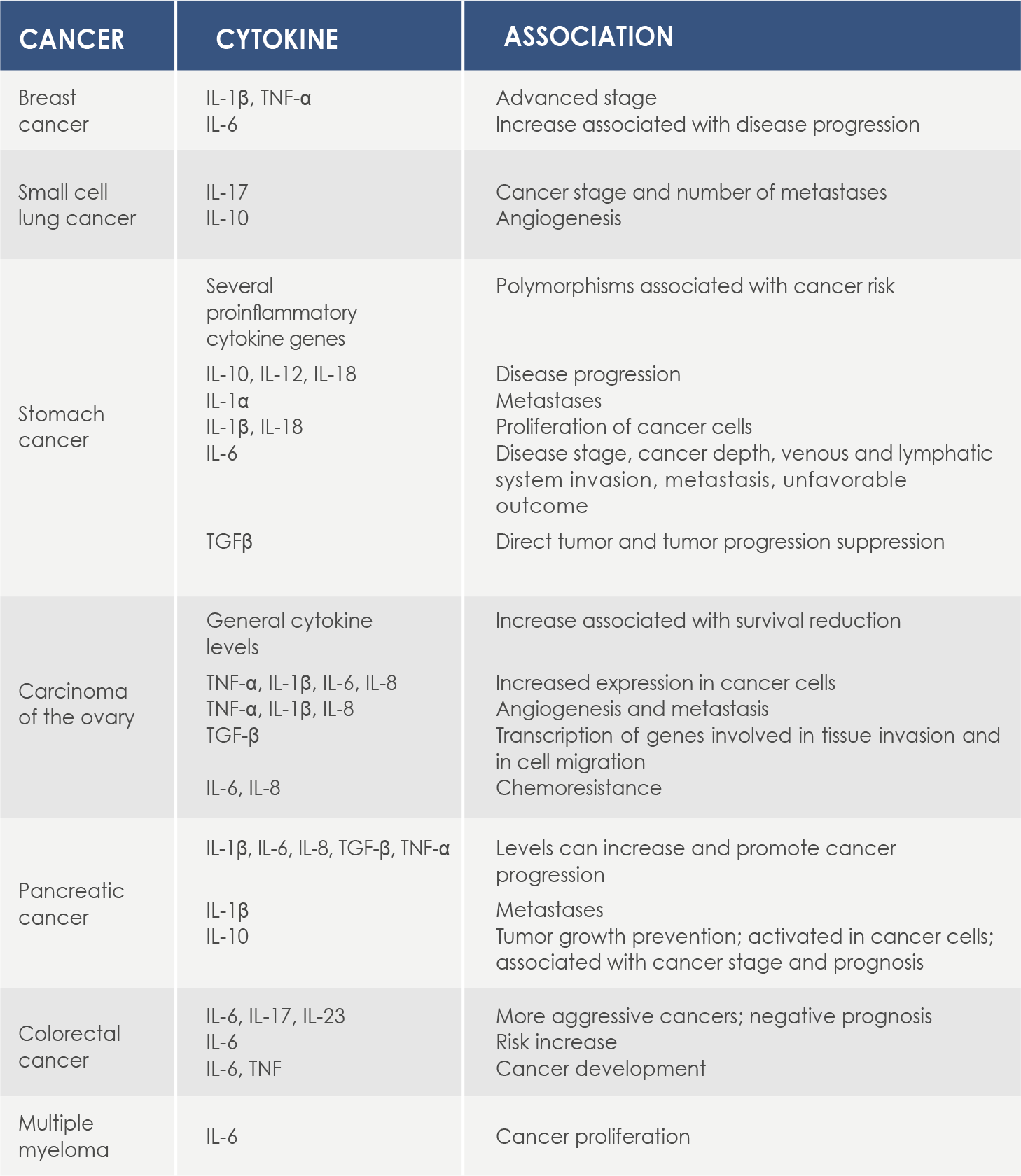
Several molecules associated with inflammation are also associated with tumors. In particular, both tumor cells and those surrounding the tumor produce proinflammatory cytokines such as Tumor Necrosis Factor α (TNF-α), a molecule synthesized in the initial stages of the inflammatory response that also plays an important role in the maintenance of inflammation. TNF-α is involved in the mechanisms that regulate tumor growth and their ability to invade tissues and produce metastases.
In turn, proinflammatory cytokines regulate the production of C reactive protein (CRP). Its levels increase rapidly in case of inflammation and are associated with both tumor progression and reduced survival in the presence of various cancers (esophagus, stomach, colorectal, liver, pancreas, and ovary). Elevated CRP concentrations are associated with an increased risk of developing cancer (for example, colorectal or breast cancer) and increased colorectal cancer mortality.
When to analyze inflammation levels
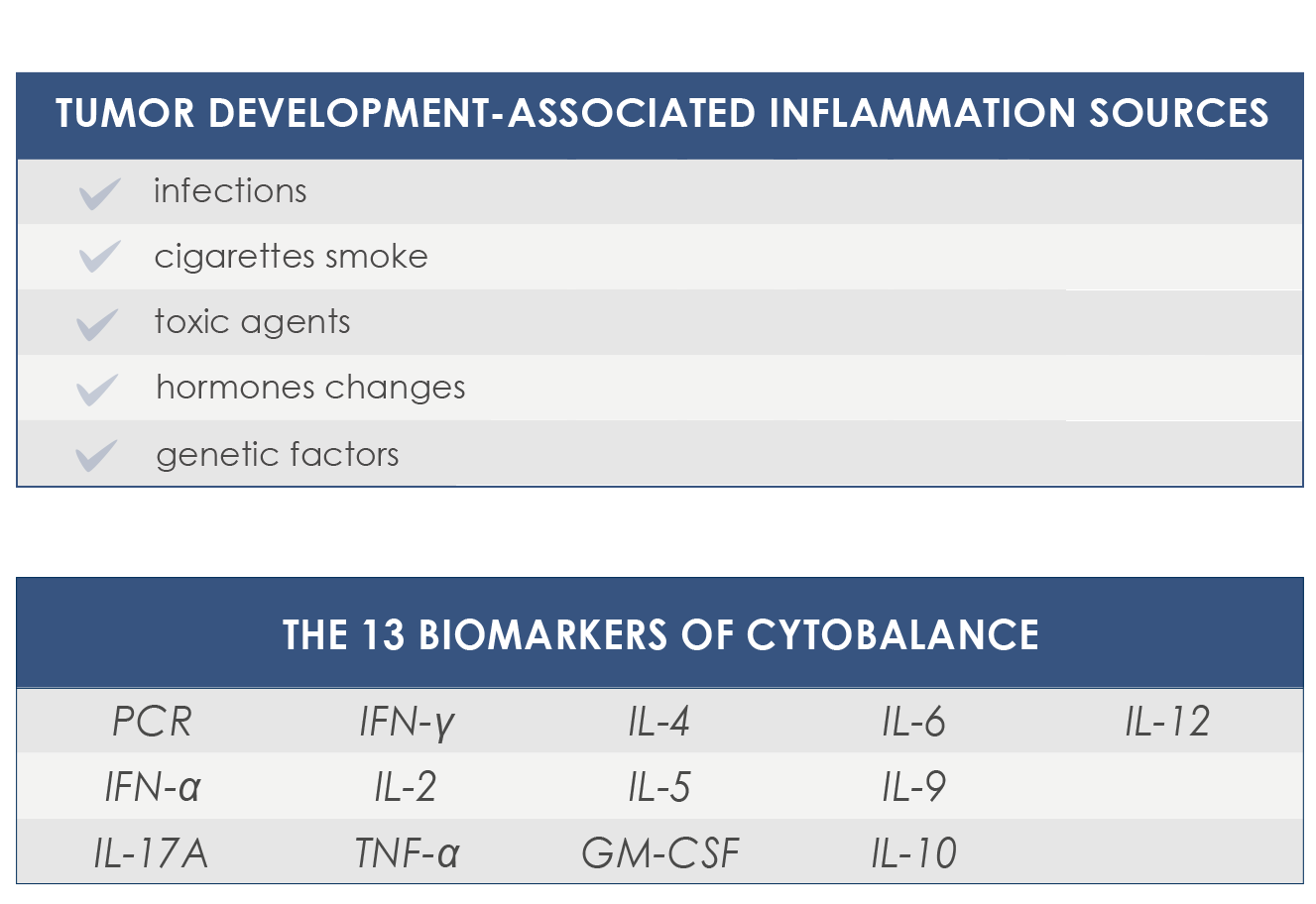
CYTOBALANCE, the analysis of chronic inflammation levels by the Bioscience Institute, is specified in all cases in which it is desired to control the risk factors for the development of tumors through active primary prevention. Suitable for all healthy and asymptomatic individuals, it is particularly useful in the presence of an increased risk of inflammatory phenomena, such as for example:
- during aging
- in case of genetic predisposition to the development of tumors
- in case of exposure to cigarette smoke
- if you live in polluted environments
- when taking hormone-based therapies
- in case of high stress
- in case of unbalanced diet, overweight and obesity
- in case of intestinal dysbiosis (alterations of the intestinal bacterial flora)
Request CYTOBALANCE
For more information on the CYTOBALANCE test for the analysis of chronic inflammation levels, contact the Bioscience Institute by emailing info@bioinst.com or fill out the following request form to be contacted without obligation by one of our trusted biologists.
Scientific content reviewed by the Bioscience Institute Scientific Board. · Last updated
The information on this page is for general education and does not replace a consultation with a physician.