


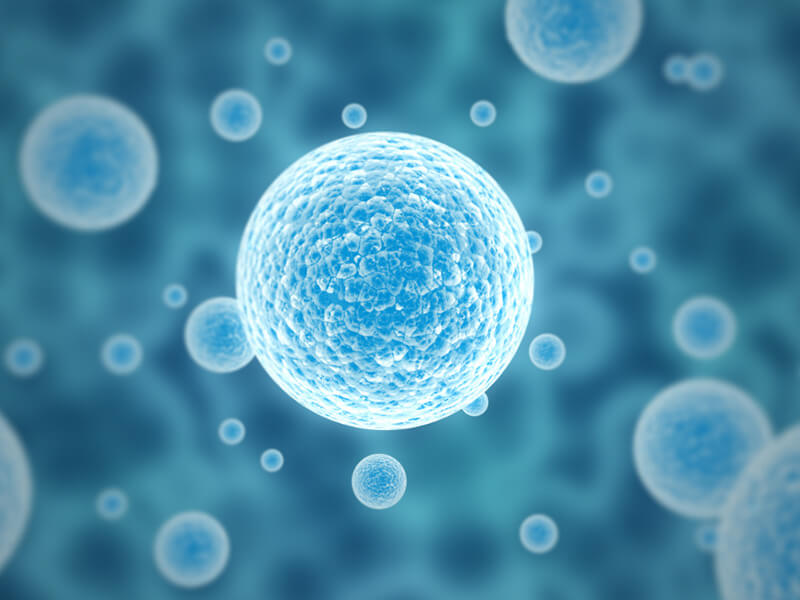
Stem cells are non-specialized cells with unlimited proliferation potential. In the presence of suitable stimuli, they can differentiate the specialized cells of which tissues and organs are made. There are two main types: embryonic and adult.
The therapeutic use of the latter is not controversial because it does not require the destruction of an embryo: it is possible to obtain them from a tissue sample taken from an adult or a child, as in the case of stem cells from cord tissue.
Cord tissue samples can be taken at the time of your baby’s birth.
Autologous and private conservation with the Bioscience Institute
The activity of private stem cell banks has always contributed to raising awareness of the importance of conserving cord blood stem cells, whether public or private.
Over the years, in fact, requests for donations have increased or decreased when those for private conservation followed the same trend (1). Private banks, therefore, can integrate the activities of public banks, if they are able to provide, through a bioethical code and excellent quality standards, balanced information, and the necessary guarantees.
1. Source: Source: National Blood Center
What is important to know about cord tissue sample preservation?
Why store
Storing your child’s stem cells is an investment in their health and that of compatible family members. Stem cells from cord tissue are now used in the clinical setting.

When to store
The option of using stem cells to treat a wide variety of diseases represents one of the most important tools made available to humans by research.
What to store
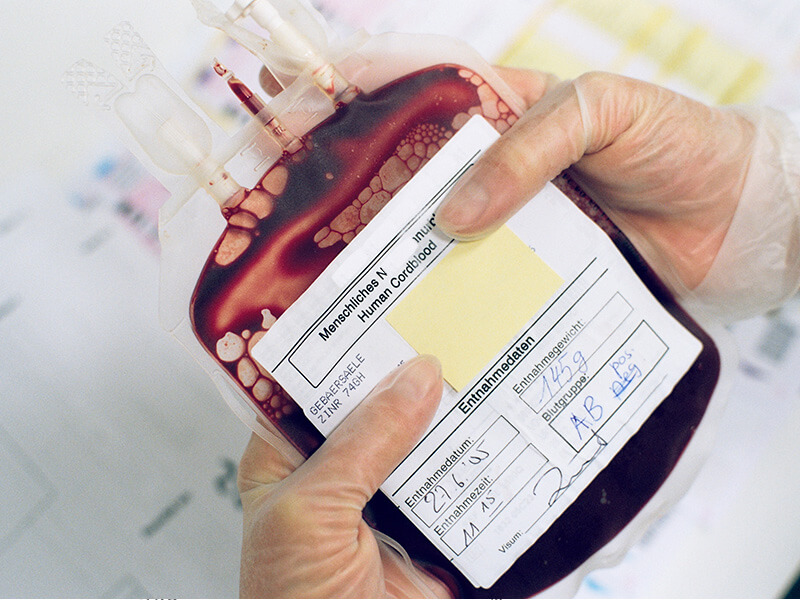
It is possible to preserve both stem cells from umbilical cord blood (both for the newborn – for preventive purposes – and for allogeneic use by compatible family members) and those from cord tissue.
The Procedure
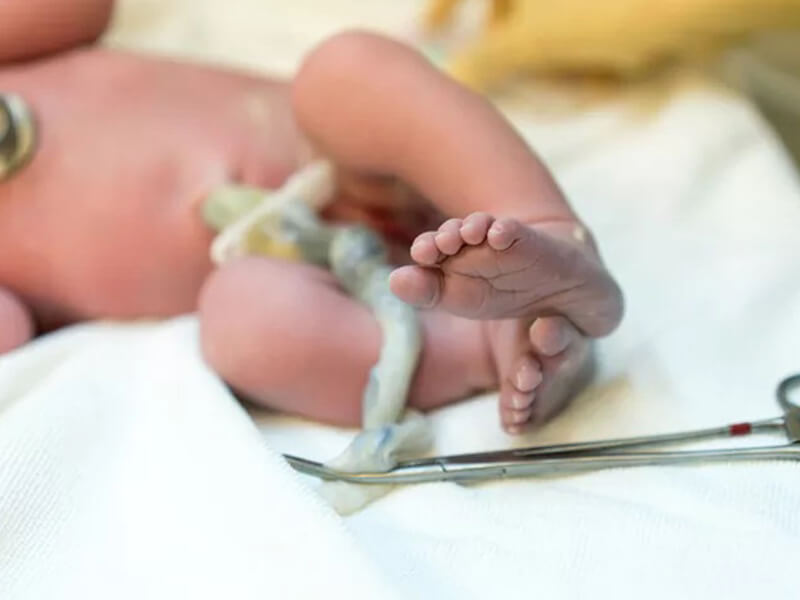
The umbilical cord tissue, rich in stem cells, can be collected during delivery (both physiological and caesarean) with a simple procedure without risks for the mother and her newborn.
Cell Factory with high standards of excellence and GMP certification
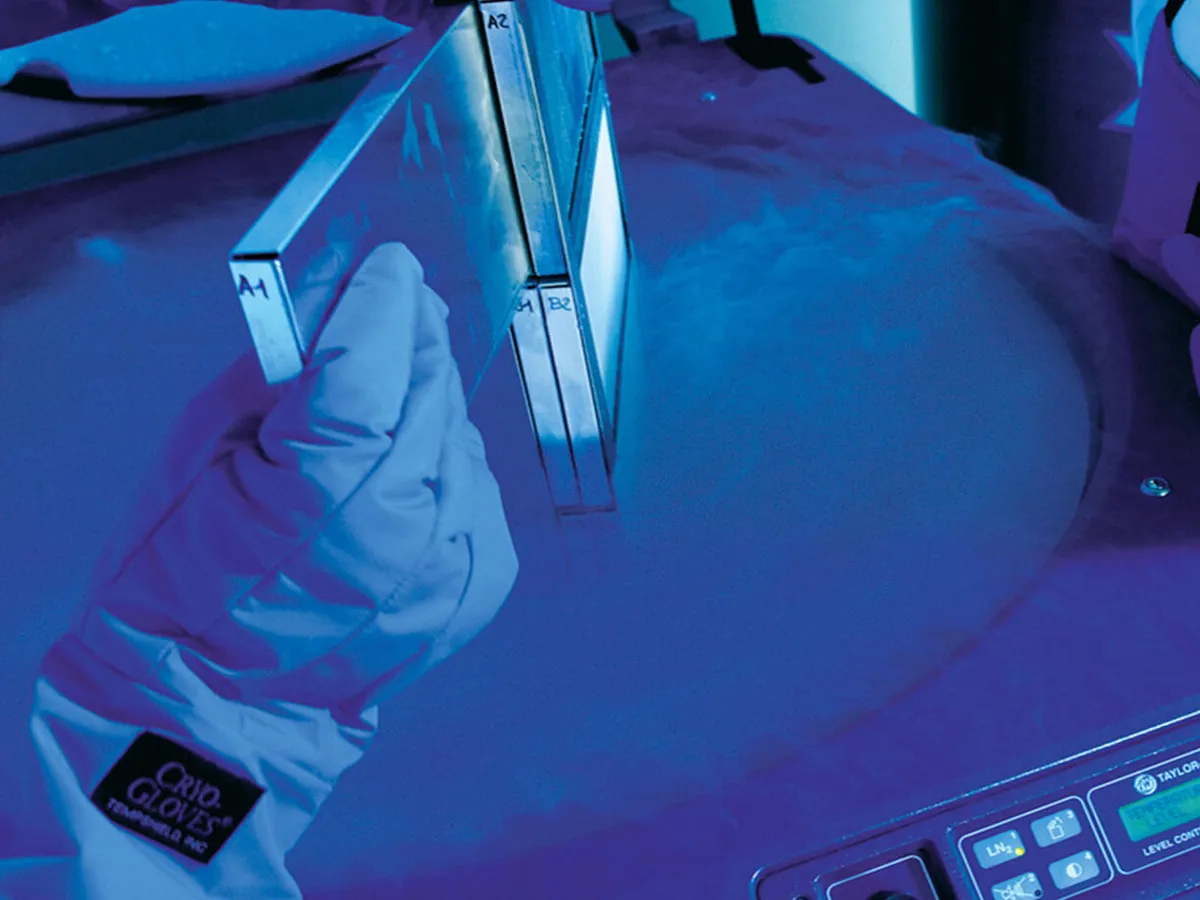
At the Bioscience Institute laboratories , it is possible to carry out biological cryopreservation in nitrogen vapors of stem cells from umbilical cord blood. The collection is safe and painless for both mother and baby. The procedures, technologies and structures of the Bioscience Institute laboratories guarantee standards of excellence certified by supranational bodies.
How to reach the cryopreservation service offered by our Center

How to enroll
To take advantage of the umbilical cord blood stem cell storage service, simply send an email to info@bioinst.com or fill out the online Kit Request form.

Contract and costs
Bioscience Institute, as the owner of the cell factory, does not make use of intermediaries and offers parents a direct contract that provides for the payment of initial costs and an annual fee.

Guarantees offered
The fact that more than 40,000 umbilical cord stem cell transplants are carried out around the world for the treatment of many diseases confirm the importance and scientific validity of preservation.

Order the Kit
Request the Bioscience Institute to provide you with the kit for storing your child’s blood and/or cord tissue. Fill out the request form to be contacted without obligation by one of our trusted biologists.
Are you pregnant?
Are you thinking of storing your child's stem cells?
Cord blood is the blood that remains in the umbilical cord after the baby is born and is a valuable source of stem cells.
Until recently it was treated as “waste” and eliminated with hospital waste along with the placenta and the umbilical cord. It is currently used in the treatment of around 100 serious diseases.
Scientific content reviewed by the Bioscience Institute Scientific Board. · Last updated
The information on this page is for general education and does not replace a consultation with a physician.