



Viruses and bacteria are not the only factors capable of triggering inflammation: nutrition can also contribute, adding to a whole series of factors that, regardless of infections, increase the inflammatory condition of the organism. Metabolism is also threatened, with consequences such as insulin resistance, obesity, and diabetes.
With the analysis of proinflammatory cytokines, it is possible to identify situations in which metabolic health is endangered by excessive inflammation levels.
Chronic low-grade inflammation
Chronic low-grade inflammation is a major cause of frailty and the development of conditions such as atherosclerosis, type 2 diabetes, Alzheimer’s disease, Parkinson’s disease, and several cancers. At its base there are the most diverse stimuli, many of which are linked to lifestyle.
Chronic inflammation levels progressively increase over years or decades. In the meantime, no symptoms appear: the problem remains silent, threatening health without the sufferer noticing.
Inflammation and nutrition
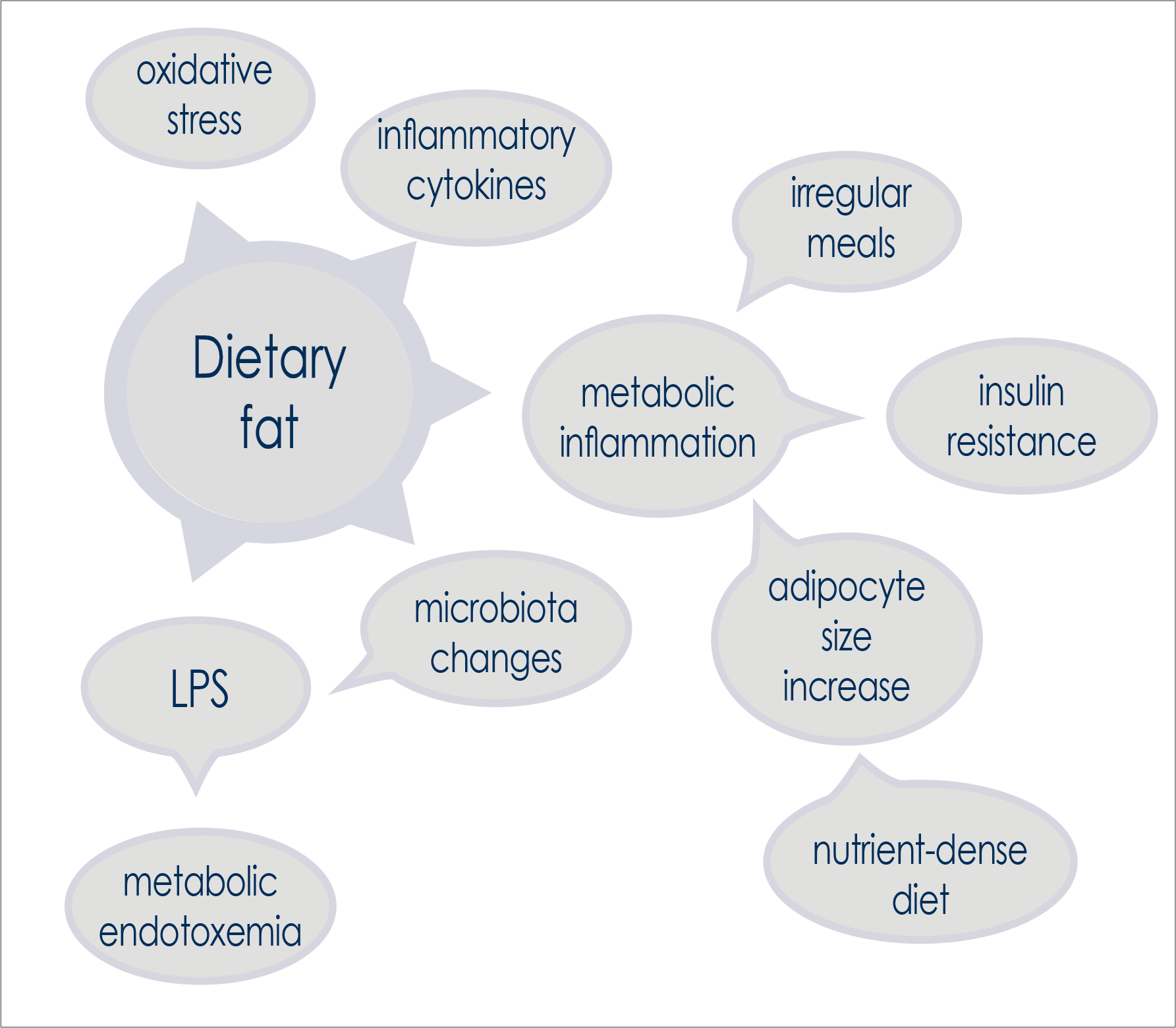
Lifestyle aspects that can trigger low-grade inflammation include nutrition. It is malnutrition due to excess (i.e. the type of malnutrition associated not with a deficiency but with an excess of nutrients) that creates problems. A nutrient-dense diet increases the size of fat cells to a critical point where these cells contribute to a specific type of chronic inflammation, called “metabolic inflammation“, associated with metabolic disorders such as obesity and type 2 diabetes. An excess of fat is instead associated with an increase in oxidative stress, inflammation molecules (cytokines) and lipopolysaccharide (a molecule of bacterial origin which, passing into the blood, promotes inflammation).
Irregular meals also contribute to increased inflammation by altering metabolism and promoting metabolic inflammation itself.
When to analyze inflammation
Inflammation triggered by an irregular or unbalanced diet cannot be detected based on obvious symptoms. To study it, it is necessary to analyze the levels of the molecules associated with inflammatory processes, the cytokines. CYTOBALANCE is the Bioscience Institute test that allows you to do this with a simple blood sample.
The analysis can be performed in all cases in which you want to know the inflammatory condition of your organism and is particularly suitable when you follow a diet that is not very varied and/or balanced, that is rich in fats and sugars, low in plant-based and healthy foods or characterized by irregular meals.
Request CYTOBALANCE
For more information on the CYTOBALANCE test for the analysis of chronic inflammation levels, contact the Bioscience Institute by emailing info@bioinst.com or fill out the following request form to be contacted without obligation by one of our trusted biologists.
Scientific content reviewed by the Bioscience Institute Scientific Board. · Last updated
The information on this page is for general education and does not replace a consultation with a physician.